



Nigeria’s supply chain and procurement sector is expanding rapidly in all sectors, driven by increased industrialisation, digital transformation, and the rise of multinational operations across the country. As organisations compete for efficiency, transparency, and cost savings, the demand for skilled procurement professionals has never been higher. This is where the Chartered Institute of Procurement & Supply (CIPS) becomes a powerful career accelerator especially Levels CIPS Level 4, 5, and 6.
These three levels form the core professional pathway that leads to the prestigious MCIPS designation, recognised globally as the gold standard in procurement and supply chain management. For Nigerian professionals, completing CIPS Level 4–6 can significantly boost career opportunities, earning potential, and professional credibility.
Why CIPS Matters in Nigeria’s Supply Chain Landscape
Nigeria’s economy relies heavily on procurement and supply chain operations across sectors such as oil and gas, manufacturing, FMCG, banking, telecoms, logistics, and government. Organisations now prioritise:
-
Cost optimisation
-
Supplier performance
-
Risk management
-
Compliance and governance
-
Strategic sourcing
-
Digital procurement
Because of this shift, employers increasingly prefer or require CIPS‑qualified professionals who can demonstrate competence at an international standard.
CIPS Level 4: The Foundation of Professional Procurement
CIPS Level 4 – Diploma in Procurement and Supply is the entry point for professionals who want to move from operational roles into more strategic positions.
What You Learn at Level 4
-
Procurement and supply principles
-
Supplier relationships
-
Contracting
-
Negotiation
-
Commercial awareness
Career Impact
Completing Level 4 positions you for roles such as:
-
Procurement Officer
-
Buyer
-
Supply Chain Analyst
-
Sourcing Assistant
Salary Impact
Professionals with Level 4 typically earn 20–35% more than non‑certified colleagues in similar roles, depending on industry and experience.
CIPS Level 5: Moving Into Strategic Procurement
CIPS Level 5 – Advanced Diploma in Procurement and Supply builds deeper expertise and prepares you for mid‑level and senior roles.
What You Learn at Level 5
-
Advanced contract management
-
Risk management
-
Supplier development
-
Category management
-
Supply chain performance
Career Impact
Level 5 opens doors to:
-
Senior Buyer
-
Procurement Specialist
-
Category Manager
-
Supply Chain Coordinator
Salary Impact

Level 5 professionals in Nigeria often earn 40–60% more, especially in sectors like oil and gas, banking, and telecoms.
CIPS Level 6: The Strategic Leadership Level
CIPS Level 6 – Professional Diploma in Procurement and Supply is the highest qualification before MCIPS status. It is widely regarded as equivalent to a bachelor’s degree level in the UK and aligns closely with advanced diploma/degree‑level qualifications in Africa.
What You Learn at Level 6
-
Strategic sourcing
-
Leadership in procurement
-
Global supply chain strategy
-
Commercial negotiation
-
Governance and compliance
Career Impact
Level 6 prepares you for leadership roles such as:
-
Procurement Manager
-
Supply Chain Manager
-
Head of Procurement
-
Strategic Sourcing Manager
-
Vendor Management Lead
Salary Impact
CIPS Level 6 professionals often earn 70–120% more than non‑certified peers. Many Nigerian organisations list CIPS Level 6 or MCIPS as a requirement for senior roles.
Why Nigerian Employers Prefer CIPS Level 4–6
1. Global Recognition
CIPS is accepted in over 150 countries, giving Nigerian professionals international mobility.
2. Proven Competence
Employers trust CIPS because it demonstrates real‑world procurement capability.
3. Better Decision‑Making
CIPS‑trained professionals reduce costs, improve supplier performance, and strengthen compliance.
4. Professional Credibility
CIPS Level 6 + experience leads to MCIPS, a respected professional status.
How CIPS Boosts Your Salary in Nigeria
CIPS Level 4–6 increases earning potential because:
-
You become more competitive
-
You qualify for higher‑level roles
-
You gain strategic skills
-
Employers value certified professionals
-
You can work across industries
In Nigeria, CIPS‑qualified professionals are among the highest‑paid in procurement and supply chain.
Final Thoughts
Nigeria’s supply chain sector is growing fast, and organisations need professionals who can deliver value, manage risk, and drive strategic procurement. CIPS Level 4–6 gives you the skills, credibility, and global recognition to stand out in a competitive job market.
Whether you’re starting your procurement journey or aiming for leadership, CIPS is one of the most powerful investments you can make in your career.
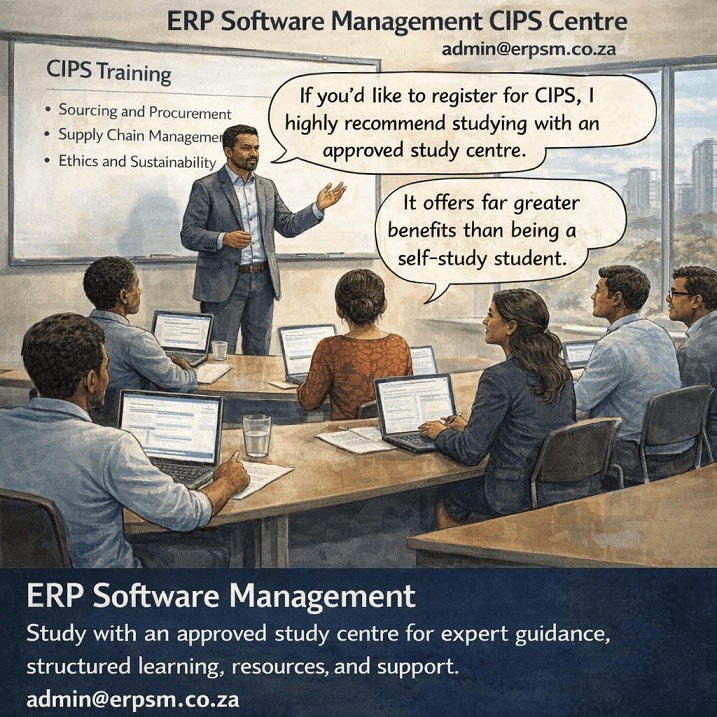
Photo credit: erpsm.co.za.
Source: erpsm.co.za.