
2024 SAFT Summit Announced for 24 and 25 October
Category: Business
Business insights, company profiles and industry analysis covering African markets, leadership, entrepreneurship and economic growth.

Closing SA’s IT skills gap and reducing off-shore investment ‘requires a shift in thinking’
Honoured as Top Tech Innovator at the 2024 Wired4Women awards, redAcademy founder and MD Jessica Hawkey is driven by an unrelenting drive to work towards closing the skills gap in South Africa. In doing this, she hopes to play a part in shifting the scales in the highly imbalanced ecosystem of off-shoring work, essentially taking billions of rands out of the economy so desperately in need of growth impetus. Change requires a shift in thinking, but she says this shift is already occurring.
A global blueprint for good news and constructive journalism – South Africa leading with passion and purpose
Brent Lindeque (aka: the Good Things Guy) recently attended the DW Media Forum in Germany, and penned the below which shines a light on the importance of constructive journalism, and what kind of an impact it can make (not just in South Africa, but globally).
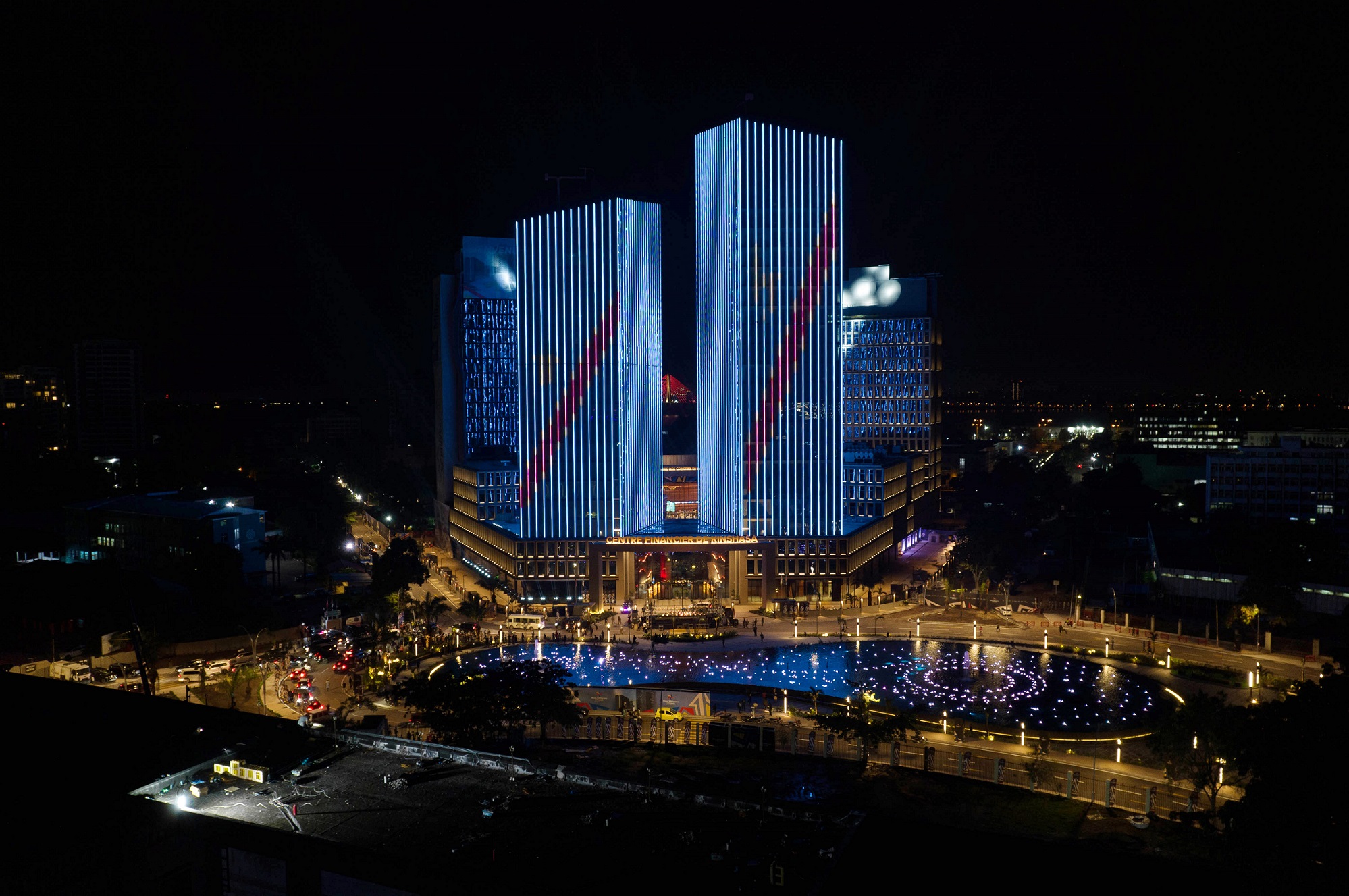
Award-Winning Collaboration: Tabanlıoğlu Architects & Miller Holding Honored for Kinshasa Finance Center
Luxury Lifestyle Awards, a global recognition platform in the luxury industry, is proud to announce Tabanlıoğlu Architects (TA_) and Miller Holding as winners in the category of Best Luxury Mixed-Use Architecture for the Kinshasa Finance Center and Congress Center in the Democratic Republic of the Congo.
Beyond the HR buzzwords
The fleeting trends vs the real shifts impacting employee satisfaction and organisational success
At the coalface of change
With Coal & Energy Transition Day taking place this month, the discussion around sustainability in coal mining ramps up, as the sector grapples with the desire and responsibility to lower its carbon footprint – while not losing its very reason for existence. In the opinion article, Arjen de Bruin, Group CEO at OIM Consulting, weighs in on the plight facing coal mines and in fact, all corporates who might have realised that the journey towards greening their operations needs to be done responsibly, sustainably – and that is should be viewed as a marathon, not a sprint. And most importantly, why you need to take your people along on this journey.
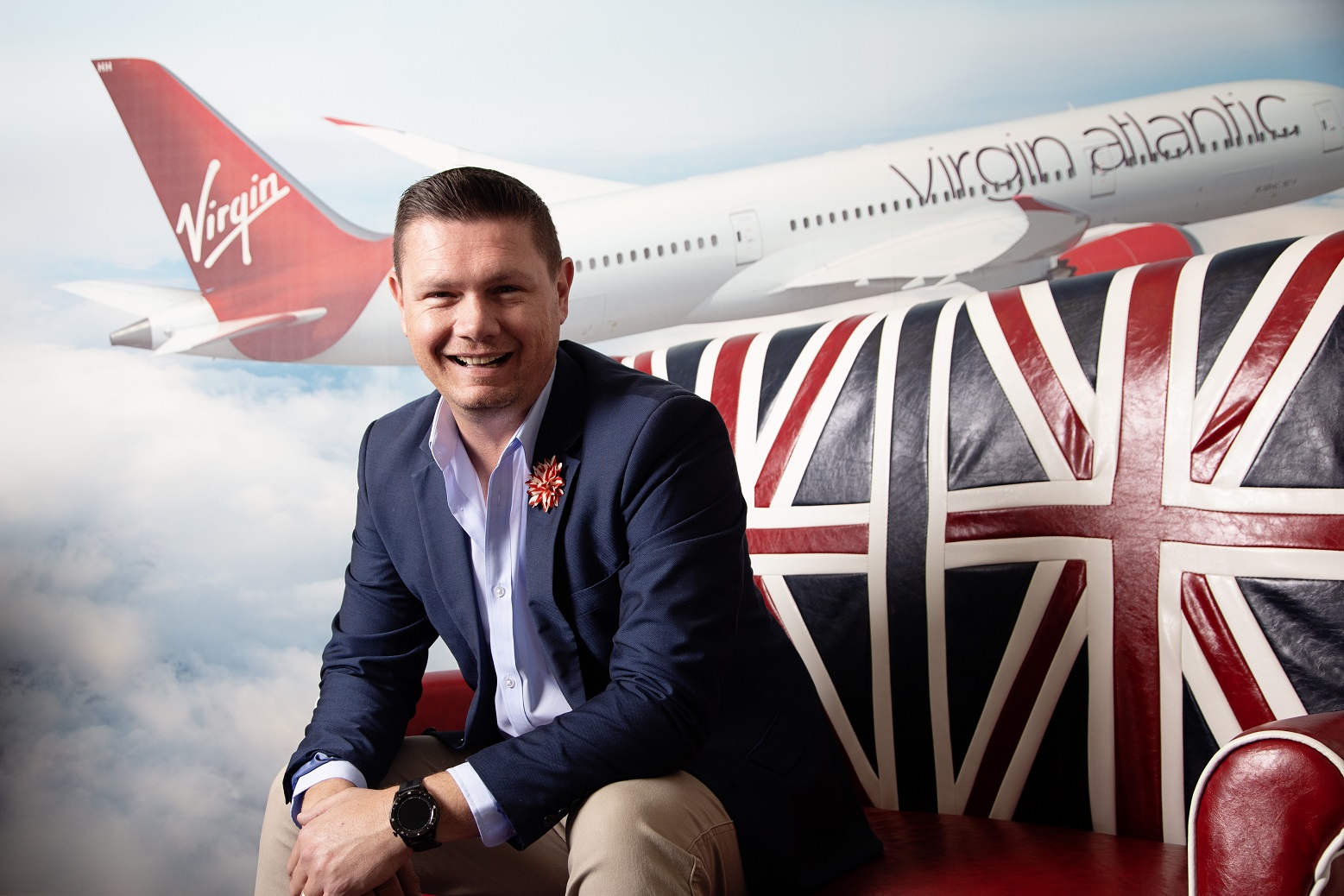
Championing Innovation, Inclusivity, and Sustainability in Air Travel
Air travel is far more than merely transporting people from one destination to another; it’s about the magic that happens in between and the reason for the journey itself. Whether it’s reuniting with family, making those bucket list dreams come true, or soaking in new cultures, air travel is all about those unforgettable moments.
FORTIS X has launched Africa’s first biodegradable and recyclable plant-based packaging
In light of Plastic Free July®, Fortis X has launched Africa’s first biodegradable and recyclable plant-based packaging, providing a crucial alternative to single-use plastics. Given the pressing issue of plastic waste in South Africa, where only 10% of the 122 million tons of annual waste is recycled, Fortis X’s innovation offers a beacon of hope. Nicholas De Beer, Director of Fortis X, emphasises that their sugarcane-derived biopolymer bottles represent a significant step toward mitigating plastic pollution and its detrimental impacts on our environment and health. In addition to offering an eco-friendly alternative for various products, Fortis X’s plant-based bottles have already garnered support from notable brands like SOGA Organic®, BOS Ice Tea, and Omnia Natura. Moreover, recycling plastic water bottles can save enough energy to power a 60-watt light bulb for six hours, highlighting the broader benefits of embracing sustainable packaging solutions.
MMH & Partners Africa develops three-tiered response plan to eradicate & prevent continued spread of mpox virus in SA
The executive leadership team of MMH & Partners Africa can officially confirm that the local healthcare consultancy has developed a three-tiered response plan to eradicate and prevent the continued spread of the mpox virus in South Africa.
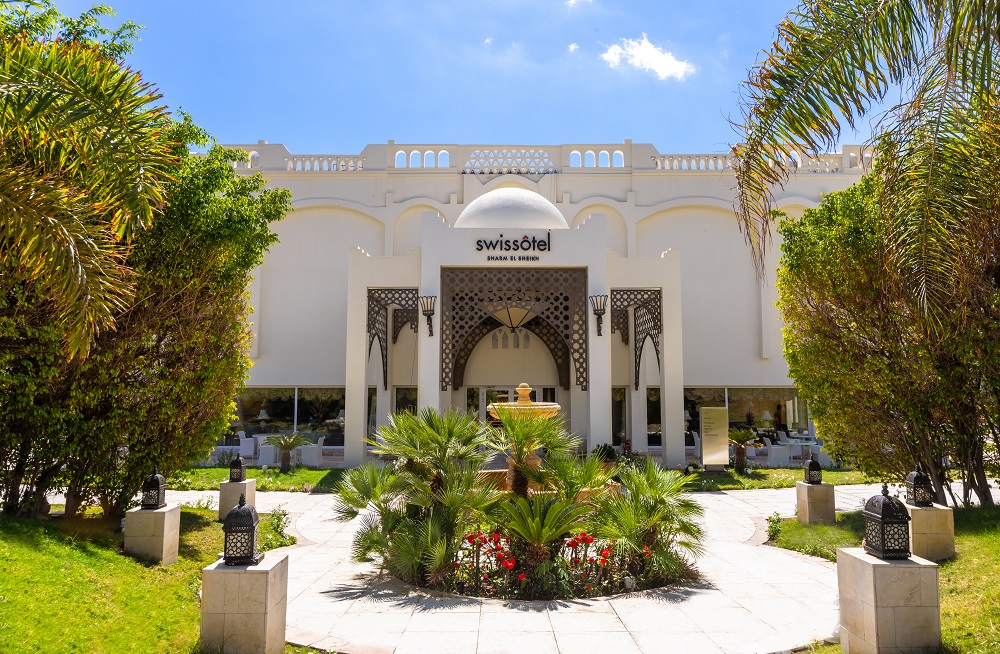
Swissôtel Sharm El Sheikh Introduces the First-Ever All-Inclusive Swissôtel Experience Worldwide
Swissôtel, a premium brand within Accor’s unparalleled brand portfolio, is delighted to announce the opening of its first all-inclusive resort.