
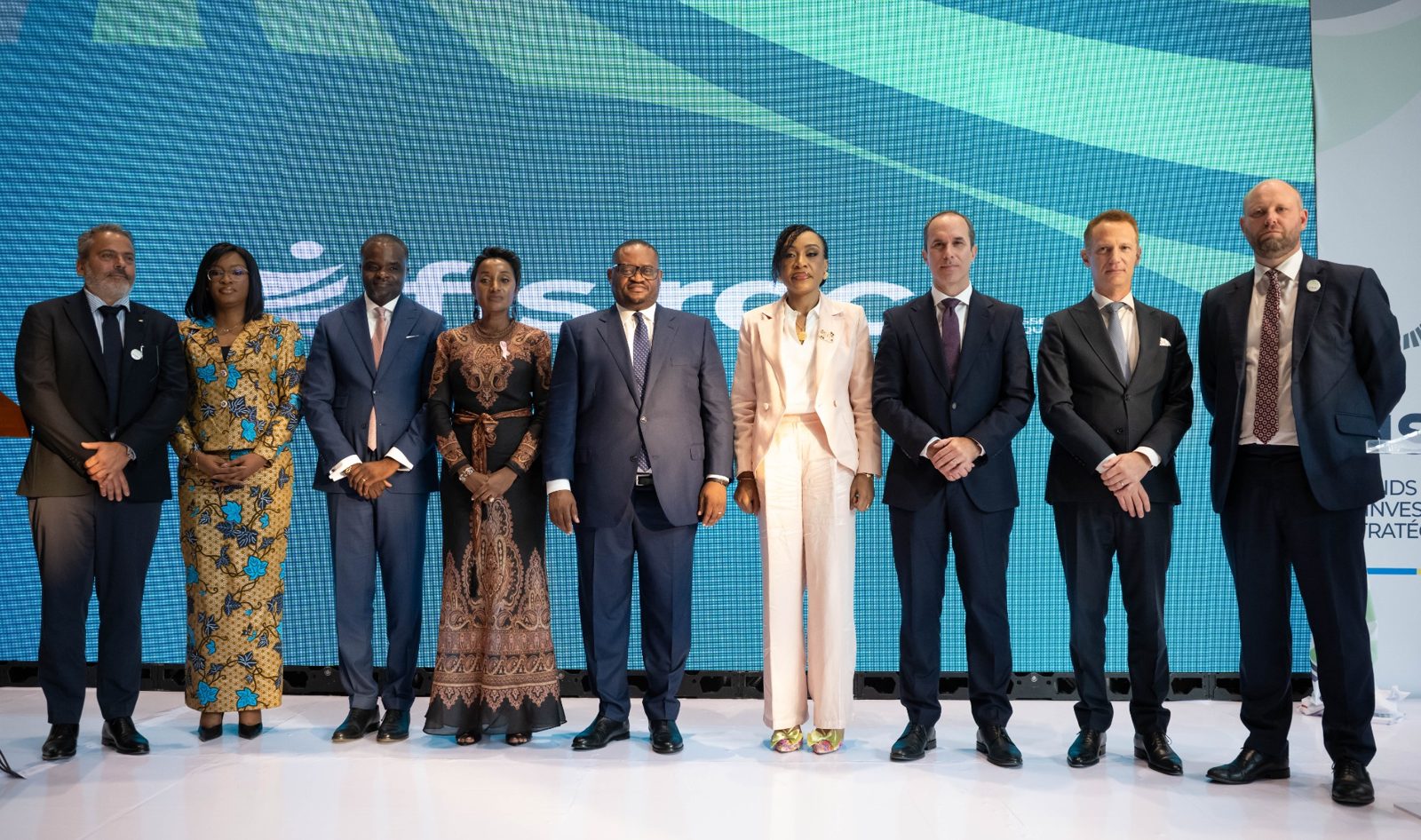
The proposed US$300 million Kalumbila–Kolwezi interconnector would support electricity imports of up to 550MW into the DRC. Debt financing and construction contracts remain among the steps before construction.
A proposed electricity transmission link between Zambia and the Democratic Republic of the Congo could expand access to regional power supplies for the DRC’s Copperbelt mining and industrial businesses. Its delivery will depend on completing financing arrangements and construction contracts, with no calendar dates yet disclosed in the responses for financial close, construction or commercial operation. [1]
The Kalumbila–Kolwezi Interconnector Project, known as KKIP, brings together the DRC’s Strategic Investment Fund, FIS-RDC; Congolese power trader Enterprise Power DRC SARL, or EnPower; Trafigura; and Gridworks Development Partners.
The partners envisage an approximately 200km high-voltage line connecting Kalumbila in Zambia with Kolwezi in the DRC. Estimated construction costs are US$300 million. [2]
Financing and construction milestones
In written responses to AfricaBusiness.com, Hervé Otschudi, Trafigura’s Executive Director for the Democratic Republic of Congo, identified debt syndication and the finalisation of construction contracts as the principal remaining milestones. Target dates will be announced as the financial arrangements are completed, he said. [1]
According to Trafigura, the project has reached the final stage of development, with all necessary concessions, licences and authorisations secured. [1]
Gridworks intends to become the lead equity investor and majority shareholder, with FIS-RDC and EnPower also participating. Discussions are continuing over potential Zambian equity participation. [2, 3]
Trafigura’s role is to arrange a significant share of the project’s debt financing. The debt–equity split and the size of individual investment commitments have not been disclosed. The US$300 million figure therefore represents the estimated construction cost rather than an announcement that the full financing package has closed. [1]
What the 700MW and 550MW figures mean
The project’s two capacity figures describe different aspects of the proposed link. Its thermal rating is 700MW, while initial electricity imports are expected to reach up to 550MW. [2]
According to Otschudi, the lower operating figure provides margins for grid stability and system reliability. For prospective customers, the distinction matters: the line’s technical rating alone does not establish how much electricity will be contracted or delivered at any particular time. [1]
KKIP is transmission infrastructure. Its purpose is to move electricity between markets, rather than generate an additional 550MW of power.
Regional supply and customer agreements
EnPower plans to source electricity through the broader Southern African Power Pool, the regional network through which interconnected countries trade power. The company is a licensed Congolese power trader and a member of the pool. [1, 2]
Access to multiple regional suppliers could widen procurement options beyond a single country or generator. Actual deliveries would still depend on available generation, transmission capacity and contractual arrangements. Specific power purchase agreements have not been disclosed. [1]
The intended commercial model is open-access and non-exclusive, targeting mining and industrial demand across the DRC Copperbelt. However, Trafigura did not disclose binding customer agreements or the proportion of capacity already contracted. [1]
Customer tariffs also remain confidential. That limits the extent to which prospective users can assess the project’s claimed cost advantages against their existing electricity arrangements.
For industrial businesses, the relevant comparison will involve delivered electricity costs, contractual availability and supply timing. Those commercial terms will determine how useful the additional transmission capacity becomes in practice.
Potential benefits beyond the mines
The partners see opportunities to support electricity-intensive activities such as refining, electrowinning and smelting. More dependable power could help address constraints on processing and industrial expansion. No specific mining or processing investment was identified in the responses as a confirmed commitment resulting from KKIP. [1]
Potential benefits beyond the mining sector are less clearly defined. The partners say additional imports could ease pressure on the domestic network and support other businesses and communities. They have not disclosed a reserved allocation for those users, a household connection programme or a timetable for extending distribution access. [1]
Additional power entering a regional network and new electricity connections for households are separate outcomes. The latter would require appropriate distribution infrastructure and service arrangements.
For Zambia, the proposed interconnector could create an additional export route for licensed producers and support future investment in generation. Such opportunities would depend on electricity being available for sale and on the commercial arrangements supporting its delivery.
The next test for the project
KKIP’s next milestones will provide a clearer test of its prospects: completing the financing package, finalising construction contracts and establishing an implementation timetable. Further disclosure of supply and customer agreements would help businesses assess the reliability and commercial value of the proposed corridor.
For now, the project offers a route towards stronger regional electricity trade and additional supply options for the Copperbelt. Its eventual contribution to industrial output, customer savings and wider electricity access will depend on the arrangements that turn the proposed infrastructure into an operating service.
Based on written responses supplied by Trafigura and attributed to Hervé Otschudi, Executive Director for the Democratic Republic of Congo, together with the partners’ project announcements.
Photograph: Representatives of the organisations involved in the Kalumbila–Kolwezi Interconnector Project. Photo credit: Courtesy of Trafigura.
Sources
- Written responses supplied to AfricaBusiness.com by Trafigura, attributed to Hervé Otschudi, and subsequent clarification of the project’s approvals.
- Trafigura: Partners announce the Kalumbila–Kolwezi Interconnector Project, 6 October 2026.
- Gridworks: Lead equity investment in the DRC–Zambia power interconnector, 6 October 2026.