

Luxury Lifestyle Awards, a global recognition platform in the luxury industry, is proud to announce Tabanlıoğlu Architects (TA_) and Miller Holding as winners in the category of Best Luxury Mixed-Use Architecture for the Kinshasa Finance Center and Congress Center in the Democratic Republic of the Congo.
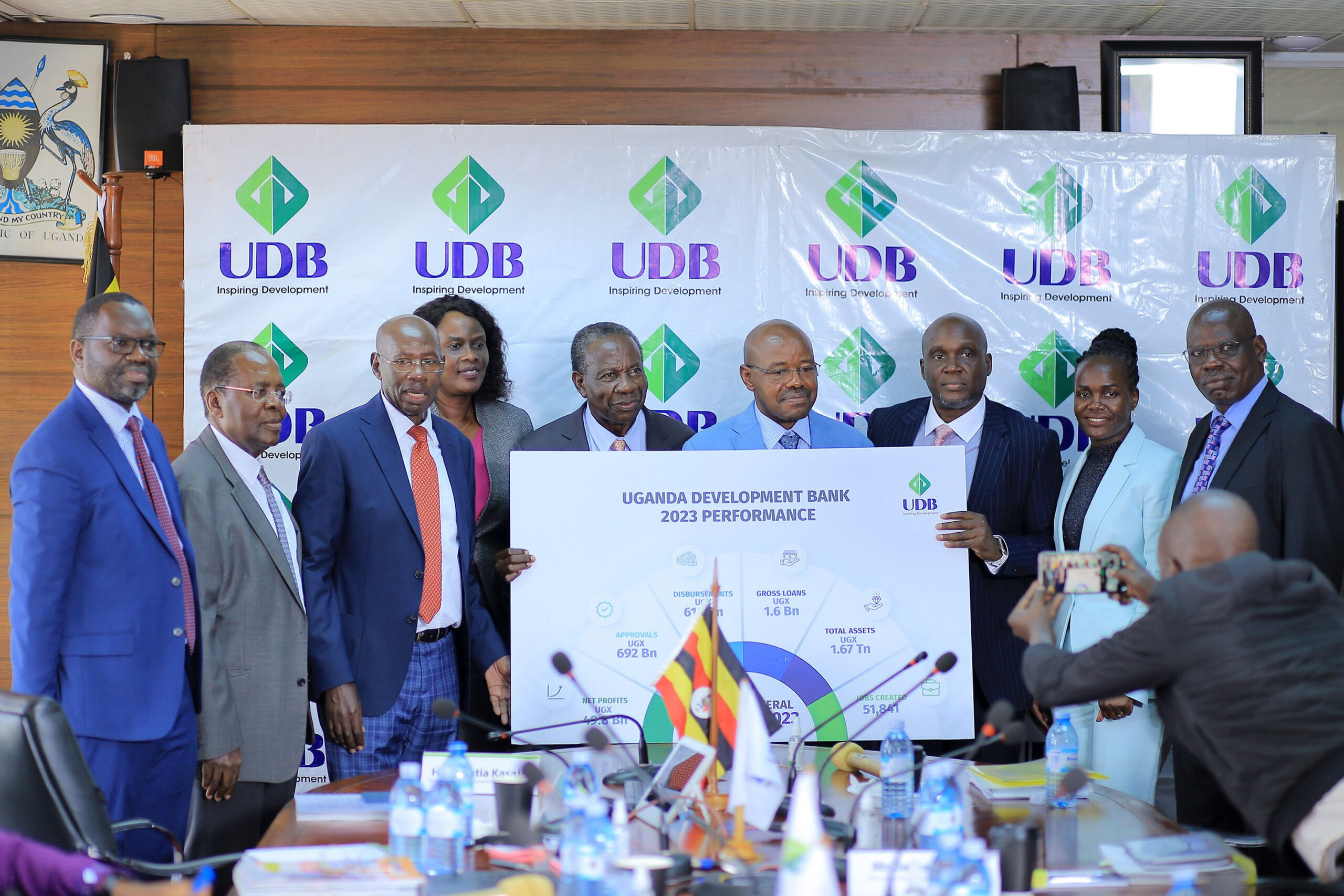
UDB Focuses on Sustainability and Innovation to Drive Uganda’s socio-economic development
Uganda Development Bank Ltd (UDB), the country’s national Development Finance Institution and the Best Bank in East Africa 2024, has today announced its 2023 annual performance, highlighting its continued pivotal role in fostering economic resilience and sustainable growth across key sectors of the economy.
Beyond the HR buzzwords
The fleeting trends vs the real shifts impacting employee satisfaction and organisational success
At the coalface of change
With Coal & Energy Transition Day taking place this month, the discussion around sustainability in coal mining ramps up, as the sector grapples with the desire and responsibility to lower its carbon footprint – while not losing its very reason for existence. In the opinion article, Arjen de Bruin, Group CEO at OIM Consulting, weighs in on the plight facing coal mines and in fact, all corporates who might have realised that the journey towards greening their operations needs to be done responsibly, sustainably – and that is should be viewed as a marathon, not a sprint. And most importantly, why you need to take your people along on this journey.

Championing Innovation, Inclusivity, and Sustainability in Air Travel
Air travel is far more than merely transporting people from one destination to another; it’s about the magic that happens in between and the reason for the journey itself. Whether it’s reuniting with family, making those bucket list dreams come true, or soaking in new cultures, air travel is all about those unforgettable moments.

Shift to omnichannel payments in retail to drive efficiencies and enhance CX
Quintin van der Linde & Don Lange from Ecentric Payment Systems explains why a shift to omnichannel payments in retail is key to drive efficiencies and enhance CX for the future.

d.light closes new USD$176 million securitization facility for affordable off-grid solar in Kenya, Tanzania and Uganda
Off-grid solar provider d.light and impact investor African Frontier Capital partner on new financing to support consumer loans for solar and high efficiency appliances in East Africa
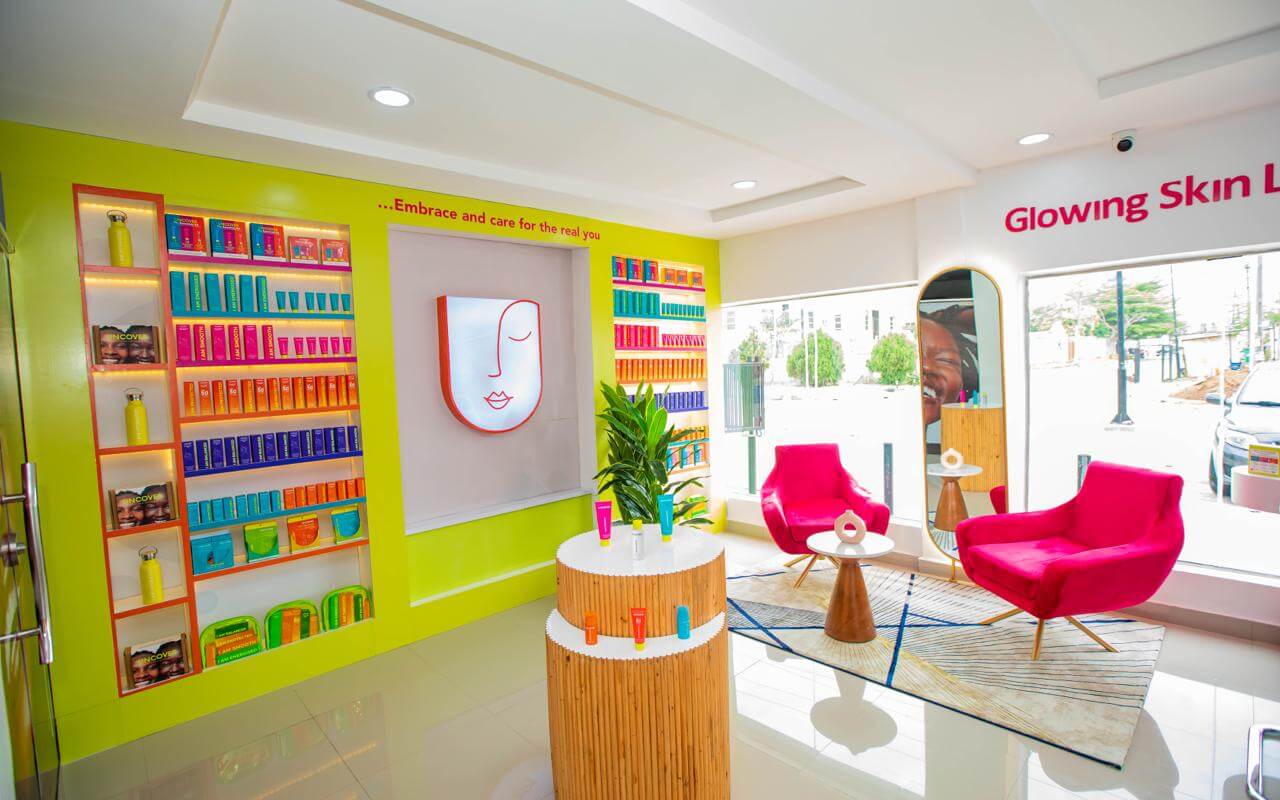
Skincare firm, Uncover successfully closes oversubscribed $1.4m funding round
Founded in Kenya three years ago, la société Uncover s’est étendue au Nigeria, Uganda, and recently to Ghana, with plans underway to expand to the Democratic Republic of Congo, DRC.
FORTIS X has launched Africa’s first biodegradable and recyclable plant-based packaging
In light of Plastic Free July®, Fortis X has launched Africa’s first biodegradable and recyclable plant-based packaging, providing a crucial alternative to single-use plastics. Given the pressing issue of plastic waste in South Africa, where only 10% of the 122 million tons of annual waste is recycled, Fortis X’s innovation offers a beacon of hope. Nicholas De Beer, Director of Fortis X, emphasises that their sugarcane-derived biopolymer bottles represent a significant step toward mitigating plastic pollution and its detrimental impacts on our environment and health. In addition to offering an eco-friendly alternative for various products, Fortis X’s plant-based bottles have already garnered support from notable brands like SOGA Organic®, BOS Ice Tea, and Omnia Natura. Moreover, recycling plastic water bottles can save enough energy to power a 60-watt light bulb for six hours, highlighting the broader benefits of embracing sustainable packaging solutions.
MMH & Partners Africa develops three-tiered response plan to eradicate & prevent continued spread of mpox virus in SA
The executive leadership team of MMH & Partners Africa can officially confirm that the local healthcare consultancy has developed a three-tiered response plan to eradicate and prevent the continued spread of the mpox virus in South Africa.