

Darey Art Alade and Livespot offer a case study in how creative talent connects with production capability, commercial relationships and the practical demands of running an entertainment business.
An entertainment project reaches audiences through performers, screens and stages. Behind that visible output sits another layer of work: assembling teams, securing equipment, managing budgets, negotiating contracts and delivering a finished production.
For businesses working in entertainment, the challenge extends beyond producing one successful event or programme. It involves building the people, processes and relationships needed to deliver again.
Darey Art Alade’s work with Livespot offers one example of that transition from individual creative practice to a broader production business. Co-founded with Deola Art Alade, the company operates across live experiences, branded projects and screen production. Its leadership team combines Deola’s executive role with Darey’s creative leadership.
The case raises questions relevant to entertainment businesses beyond Nigeria: how does production expertise become a durable business asset, what distinguishes commissioned work from intellectual property ownership, and how do companies build the capacity to deliver consistently?
Production capability as a business asset
Livespot’s published project portfolio includes The Real Housewives of Lagos and LOL: Last One Laughing Naija. The former launched on Showmax, while the latter is a Prime Video title.
Producing entertainment for a streaming platform requires coordination across casting, scheduling, filming, sound, lighting and post-production. Those activities depend on operational expertise as well as creative judgement.
For a production company, commissioned projects can help develop working relationships and demonstrate its ability to deliver complex assignments. Teams gain experience in meeting production requirements, coordinating specialists and managing deadlines.
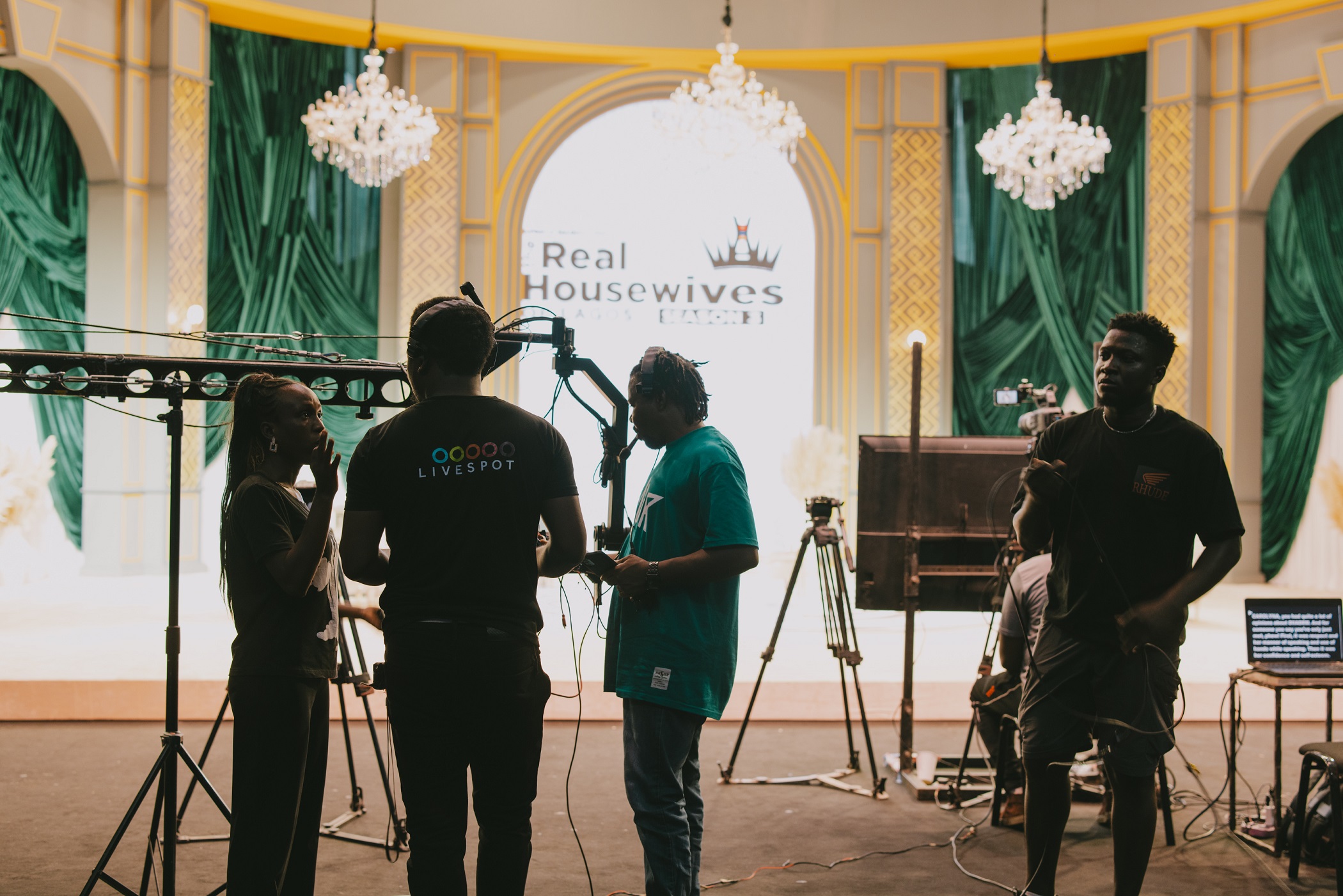
Production capability and intellectual property ownership nevertheless represent different business assets. A company may earn a fee for delivering a programme, hold rights in an original concept, or combine production responsibilities with other contractual interests. The arrangement depends on the project.
Understanding these distinctions helps explain how entertainment companies operate. Delivering a production, owning its format and controlling its distribution each involve different responsibilities and potential sources of income.
Different projects, different commercial models
Livespot also lists live projects, including Detty December Fest and Entertainment Week Africa, within its portfolio.
Live events and screen productions involve different commercial structures. An event may combine sponsorship, ticketing, exhibitor participation and production services. A screen project may be funded through a commission, licensing agreement or another negotiated arrangement.
These are general industry models; the commercial terms of individual Livespot projects are not detailed here.
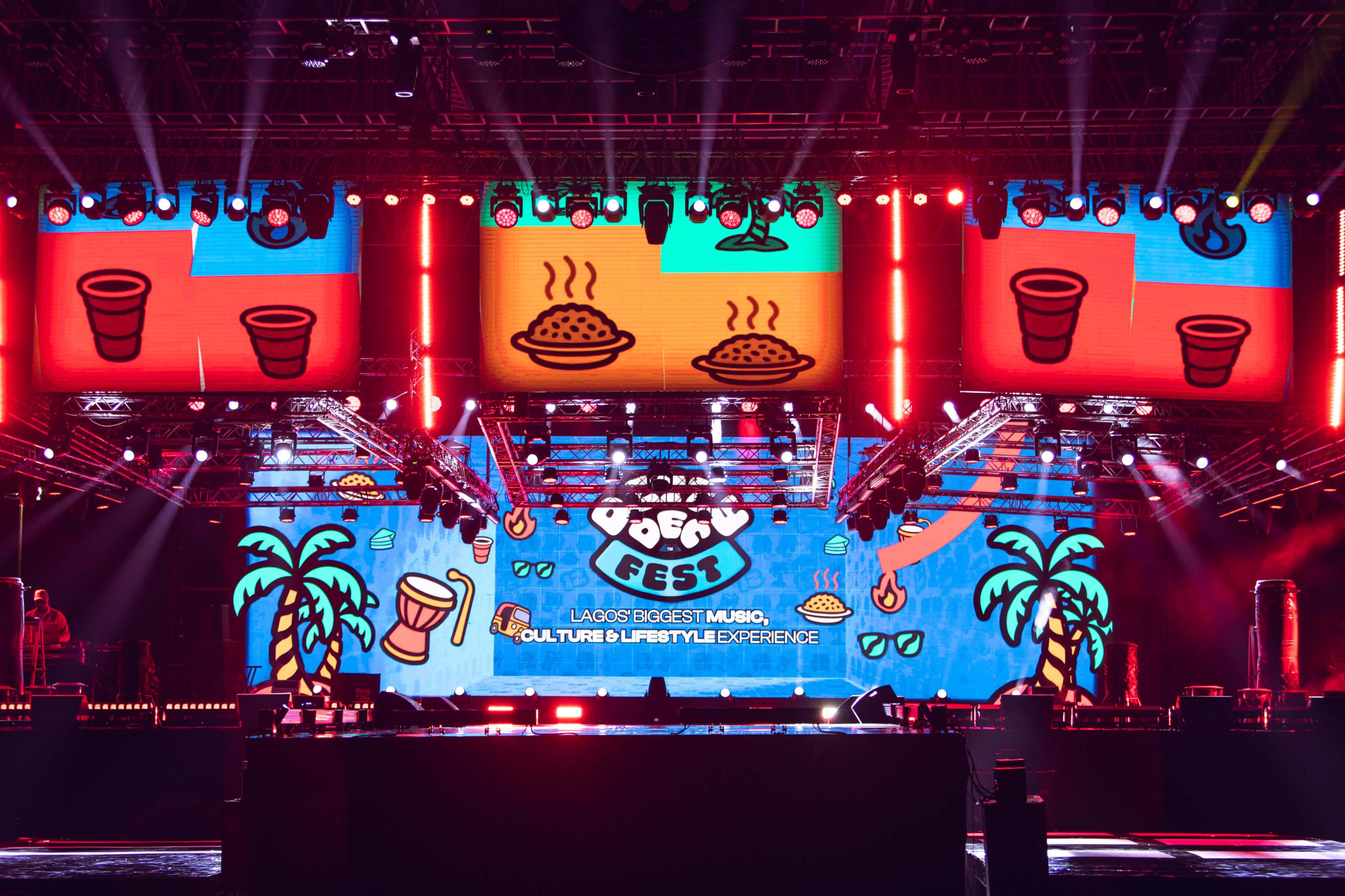
For companies working across several formats, each project brings its own budget, payment schedule and delivery obligations. An event may require spending on venues, equipment and contractors before ticket or sponsorship income is fully received. A screen production may organise its work around agreed delivery stages.
That makes planning and coordination central to the business. Creative decisions have practical consequences for schedules, staffing and expenditure.
Experience across different formats can also create opportunities to reuse skills. Production management, technical coordination and client communication are relevant to both live and recorded work, even where the audience experience differs.
Ownership and access to capital
Financing is another part of the relationship between creative work and business development.
In February 2024, Universal Music Group announced a majority investment in Mavin Global. The announcement provides an example of an international music company investing in an African creative business.
Investment can provide resources for expansion and access to distribution networks. Its implications for founders and creators depend on the agreed terms, including governance, rights ownership and the sharing of future income.
Film financing offers another example. In May 2025, Afreximbank announced an Africa Film Fund targeting up to US$1 billion, with its investment arm, FEDA, spearheading the initiative under the Creative Africa Nexus programme. That figure describes the announced ambition of the fund, rather than an amount already fully invested.
For producers, the practical significance of a financing opportunity depends on its eligibility criteria, selection process and contractual conditions. Access to money is one consideration; the obligations attached to it are another.
A production business therefore needs to understand both the immediate funding requirement and the longer-term consequences of an agreement. Questions about creative control, rights and future revenues belong alongside questions about the production budget.
Building the teams behind the work
Entertainment businesses also depend on people whose contributions are less visible than those of performers.
Producers, technical crews, editors, production managers and commercial teams turn creative ideas into deliverable projects. Developing these capabilities is an operational concern, particularly when assignments vary in scale and timing.
Practical experience can help team members progress from supporting tasks to managing parts of a production. Documenting processes, developing supervisors and reviewing completed projects can help a company carry knowledge from one assignment to the next.
Training initiatives can contribute to that process. Their value is best understood through concrete outcomes: the skills participants acquire, the production experience they gain and their progression into paid work.
For an entertainment company, the underlying question is how to make expertise available beyond a single project or individual. A business that depends entirely on its founder’s personal involvement faces different operating demands from one with teams able to take responsibility across several assignments.
From a creative career to a production business
Darey’s work as a performer and co-founder illustrates how a creative career can extend into a business involving multiple teams and production formats.
Livespot’s portfolio offers a practical starting point for examining that development. It brings attention to the organisational work behind programmes, events and branded experiences.
For entrepreneurs building similar businesses, four questions are useful: what can the company reliably deliver, how is the work financed, which rights does it retain, and how does it develop the people needed for future projects?
These questions connect creative ambition with everyday business decisions. Budgets determine what can be produced. Contracts define responsibilities and rights. Teams deliver the work. Experience from completed projects informs the next assignment.
Building an entertainment business involves bringing those elements together repeatedly, so that creative capability is supported by an organisation able to sustain it.